
The allure of casinos: Understanding attraction
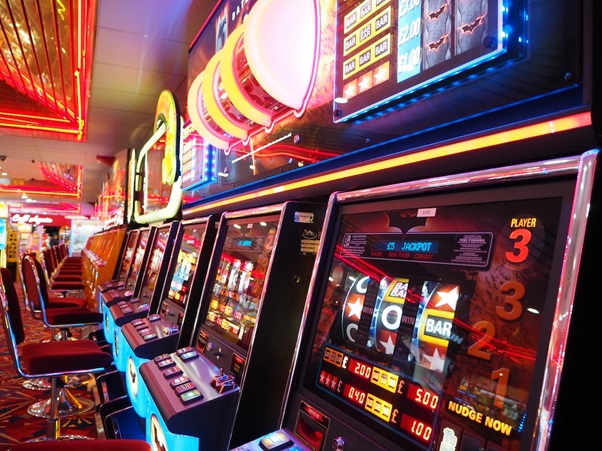
Casinos are designed to captivate and enchant players, drawing them in with a mix of vibrant colors, enticing sounds, and an atmosphere of excitement. The psychology behind this attraction can be attributed to various factors, including the thrill of risk, the promise of reward, and the social environment that casinos offer. For those seeking entertainment, canadian casinos online provide an accessible option that combines safety with excitement. The sensory experience of a casino is engineered to enhance feelings of enjoyment and anticipation, making it difficult for players to resist the urge to participate.

The excitement generated by games of chance can lead to an adrenaline rush, which further compels individuals to engage. This sense of euphoria, combined with the possibility of winning large sums, taps into basic human psychology: the desire for immediate gratification. As players sit at slot machines or gather around poker tables, they are often driven by the exhilarating prospect of a big win, which keeps them coming back for more, regardless of the odds.
The role of cognitive biases in gambling
Cognitive biases play a significant role in shaping how players perceive their experiences in casinos. One common bias is the illusion of control, where individuals believe they have more influence over the outcome of a game than they actually do. This misconception can lead players to make irrational decisions, such as betting more money in hopes of controlling the odds. Such biases contribute to the persistence of gambling behaviors, even in the face of losses.
Additionally, the gambler’s fallacy can be observed frequently among casino players. This is the belief that past events can influence future outcomes, leading to the conviction that a win is ‘due’ after a series of losses. Understanding these biases not only sheds light on player decision-making but also emphasizes the need for responsible gaming initiatives to help mitigate potential harm caused by such misconceptions.
The impact of social interactions
Social interactions within casinos contribute significantly to player behavior. Many people view gambling as a communal activity, enhancing their enjoyment through shared experiences. The presence of fellow players can foster a sense of belonging, making the gambling experience more engaging and enjoyable. This social dynamic often leads to increased spending, as individuals may feel more inclined to place higher bets in a group setting. An understanding of these social factors can help casinos create a more inviting atmosphere.
Moreover, the role of social reinforcement cannot be overlooked. Observing others winning can create an optimistic atmosphere, encouraging more players to join in on the fun. This creates a cycle of positive reinforcement where players are motivated both by their success and the successes of those around them, making it an integral part of the casino experience.
The influence of promotions and rewards
Casinos implement various promotional strategies and reward systems designed to entice players and enhance their loyalty. These can include loyalty programs, free spins, and bonuses that create a sense of value for players. The psychology of rewards is deeply rooted in behavioral conditioning; when players receive positive reinforcement, they are more likely to return for future gaming sessions. This relationship between rewards and player retention is a key element in the gambling industry.
Furthermore, the concept of loss aversion plays a crucial role in player behavior. Players often feel the sting of losing more acutely than the joy of winning, prompting them to chase losses. Casinos capitalize on this by offering enticing promotions that encourage continued play, making it easy for players to get caught up in the cycle of gambling to recover lost funds, despite the odds being against them.
Conclusion: The balance of safety and engagement
As we explore the intricate psychology behind player behavior in casinos, it’s essential to consider the implications of these insights on security and responsible gambling practices. The allure of the gaming experience, combined with cognitive biases and social interactions, creates an exciting yet potentially dangerous environment for players. Understanding these dynamics can help casino operators implement better security measures and responsible gaming policies to protect their clients.
In an age where online security is paramount, it’s essential for casinos to prioritize user safety while maintaining an engaging atmosphere. By addressing the psychological factors at play and promoting responsible gambling, casinos can create a more secure and enjoyable experience for all their players. This balance is vital in ensuring that the thrill of the game does not overshadow the well-being of the individuals who partake in it.